A Benny Labs project

The Adam and Eve Project

פרויקט אדם וחוה

Abraham paid four hundred silver shekels for a cave where, tradition says, the first man and the first woman already lay. Our purpose is to bring out their remains, with every approval, and learn what they can teach us.

▶ Watch the filmOur purpose
Our purpose

Bring them out, and learn from them

The Adam and Eve Project has one aim. With the approval of the rabbis, the scientists and the authorities who guard this place, we want to bring out the remains that rest in the Cave of Machpelah, study them with the best tools of our time, and return them to their rest with honor.

We believe Abraham secured this cave so that they would be kept safe until a generation came that could understand them. We want to be that generation.

A man and a woman walk hand in hand through a bright garden of flowering trees beside a golden river
The first parents in the Garden. Illustration.
Measure

How tall they stood

Measure the bones and rebuild the height and build of each body. The sages describe Adam as a figure of great stature. The bones can tell us.

Date

When they lived

Carbon dating gives the time of death. Bones and teeth show how old each person was, and how the body aged.

Trace

Where they came from

DNA shows ancestry. The chemistry of the teeth shows where a person grew up, what they ate and what water they drank.

Family

Whether they are one family

The Torah names three generations here: Abraham, Isaac and Jacob, with their wives. DNA can show whether those buried together are father, son and grandson.

Health

How they lived so long

The Torah gives Adam 930 years. We want to compare their DNA with the genes known for long life, and look for what kept them strong: health, illness, wear and healing.

Faces

What they looked like

From a skull, science can rebuild a face. For the first time, people could look at the faces of their first parents.
For our historyTo know, from evidence, who the people at the root of three faiths were, and how the story the Torah tells meets the ground it happened on.
For long lifeWhatever let the first generations live so long is the oldest open question in medicine. Any clue belongs to all of humanity.
For our descendantsTo compare them with people living today, and learn how much of them we still carry.
For the truthWhatever is found will be published in full, whether or not it is what anyone hoped.
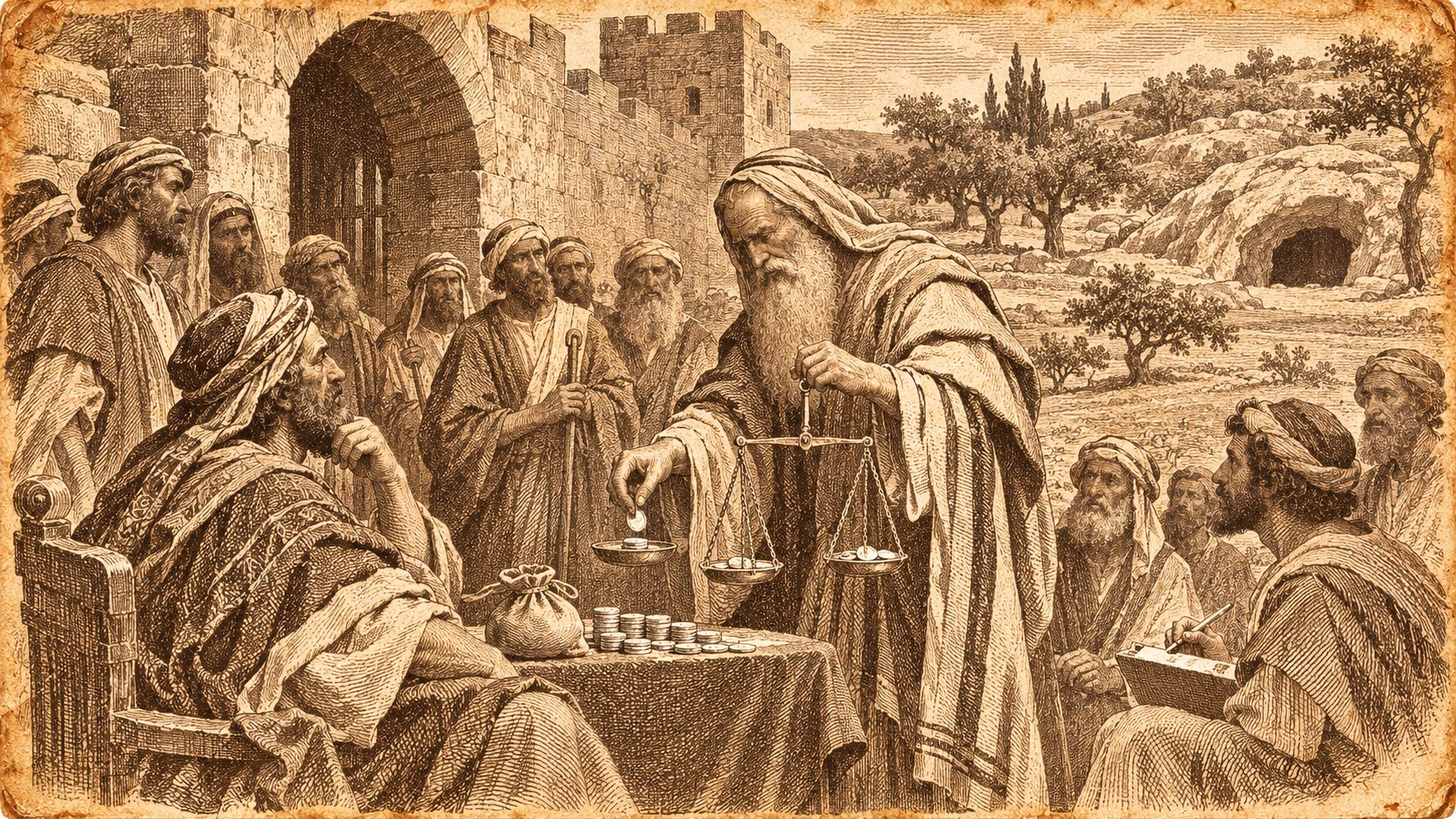
An old engraving: Abraham weighs silver before Ephron at the city gate while townspeople look on
Abraham weighs the silver at the gate of Hebron. Illustration.
Genesis 23

The most careful purchase in the Torah

Sarah has died. Abraham is offered the burial cave as a gift. He refuses. He insists on paying the full price, in public, in front of the whole town, so that nobody can ever question who owns it.

וַיִּשְׁקֹל אַבְרָהָם לְעֶפְרֹן אֶת־הַכֶּסֶף … אַרְבַּע מֵאוֹת שֶׁקֶל כֶּסֶף עֹבֵר לַסֹּחֵר “Abraham weighed out to Ephron the silver … four hundred shekels of silver, at the going merchants’ rate.” Genesis 23:16

The Torah spends a whole chapter on this one deal. Why did this cave, and only this cave, matter so much?

What the sages say

He had seen what was inside

The Midrash answers the question. Abraham did not pick the cave by chance. He had already been inside it, and he had seen who was resting there.

Pirkei DeRabbi Eliezer · chapter 36

The calf and the cave

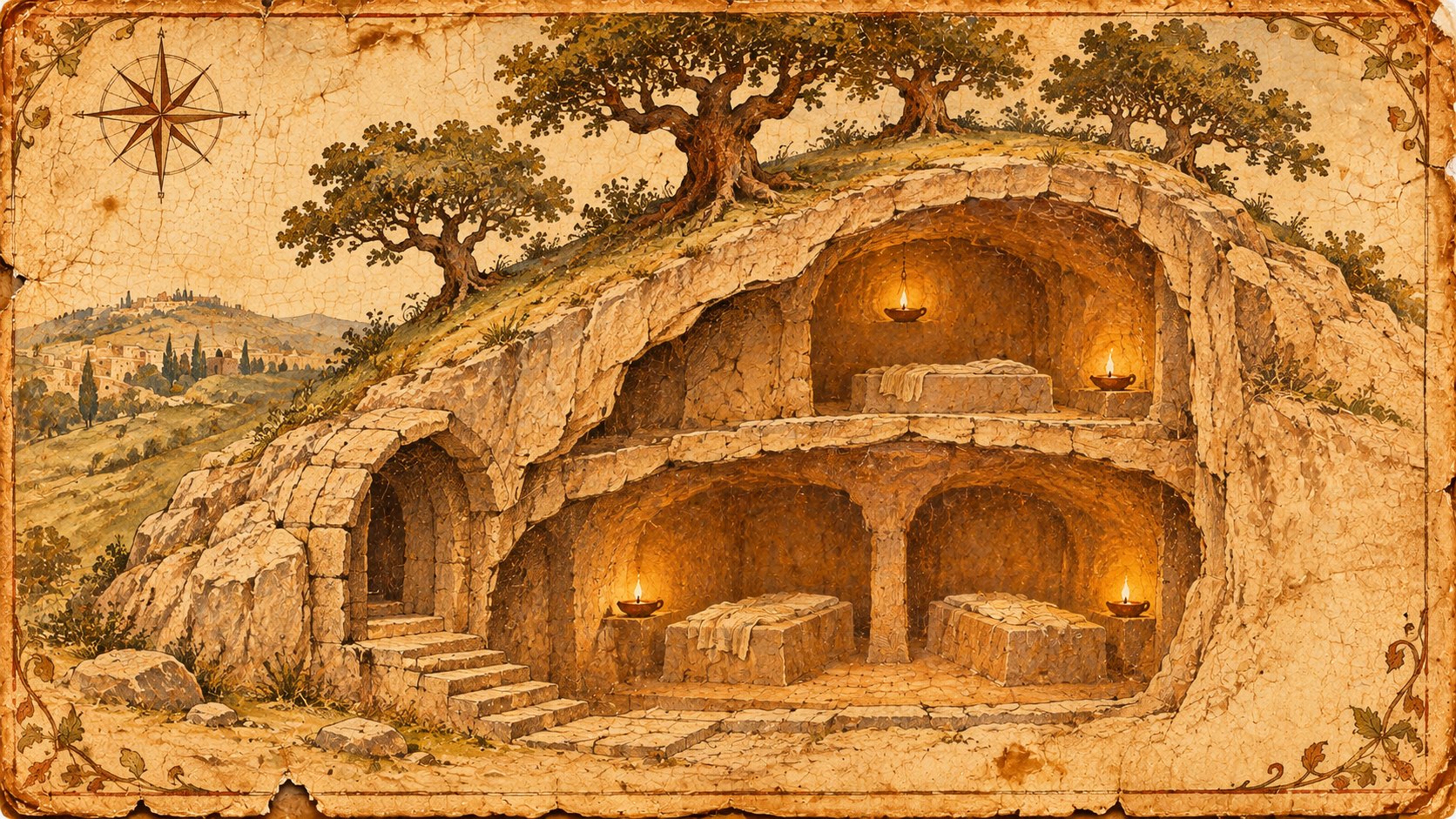
When the three guests came, Abraham ran to fetch a calf. It fled into the Cave of Machpelah. He followed it in and found Adam and Eve lying on their beds, as if asleep, with lamps burning above them and a sweet fragrance. From that day he longed to own the cave.

Talmud · Eruvin 53a

The city of four

Hebron is called Kiryat Arba, “the city of four”, for the four couples buried there: Adam and Eve, Abraham and Sarah, Isaac and Rebecca, Jacob and Leah. “Machpelah” means doubled: a cave of two chambers.

Zohar · Chayei Sarah

The keeper of the first couple

The Zohar tells of Abraham meeting Adam and Eve in the cave when he came to bury Sarah, and of Abraham himself settling them back in their place. He becomes the guardian of humanity’s first parents.

An antique-style drawing of a hill with oak trees and a double cave beneath it, lamps glowing inside
The doubled cave beneath the oaks of Hebron. Illustration.
Genesis 5

Nine hundred and thirty years

וַיִּהְיוּ כָּל־יְמֵי אָדָם אֲשֶׁר־חַי תְּשַׁע מֵאוֹת שָׁנָה וּשְׁלֹשִׁים שָׁנָה וַיָּמֹת “All the days that Adam lived came to nine hundred and thirty years; then he died.” Genesis 5:5

Read plainly, the Torah describes a human being who lived more than nine centuries. The generations after him lived almost as long, and then lifespans fell.

If that is taken as it is written, it is the greatest open question in human biology. What was different about the first man?

Daniel 12

“Knowledge shall increase”

סְתֹם הַדְּבָרִים וַחֲתֹם הַסֵּפֶר עַד־עֵת קֵץ יְשֹׁטְטוּ רַבִּים וְתִרְבֶּה הַדָּעַת “Keep the words secret and seal the book until the time of the end. Many will range far and wide, and knowledge will increase.” Daniel 12:4

Daniel speaks of things that are sealed until the right time. In its own setting the verse is about prophecy and redemption. We borrow its picture: some answers wait for the generation that can read them.

Ours is the first generation that can read a genome. For the first time, the question “what made Adam different?” could have an answer that is measured and not only imagined.

An hourglass, half antique brass and half glowing glass, with sand turning into strands of DNA
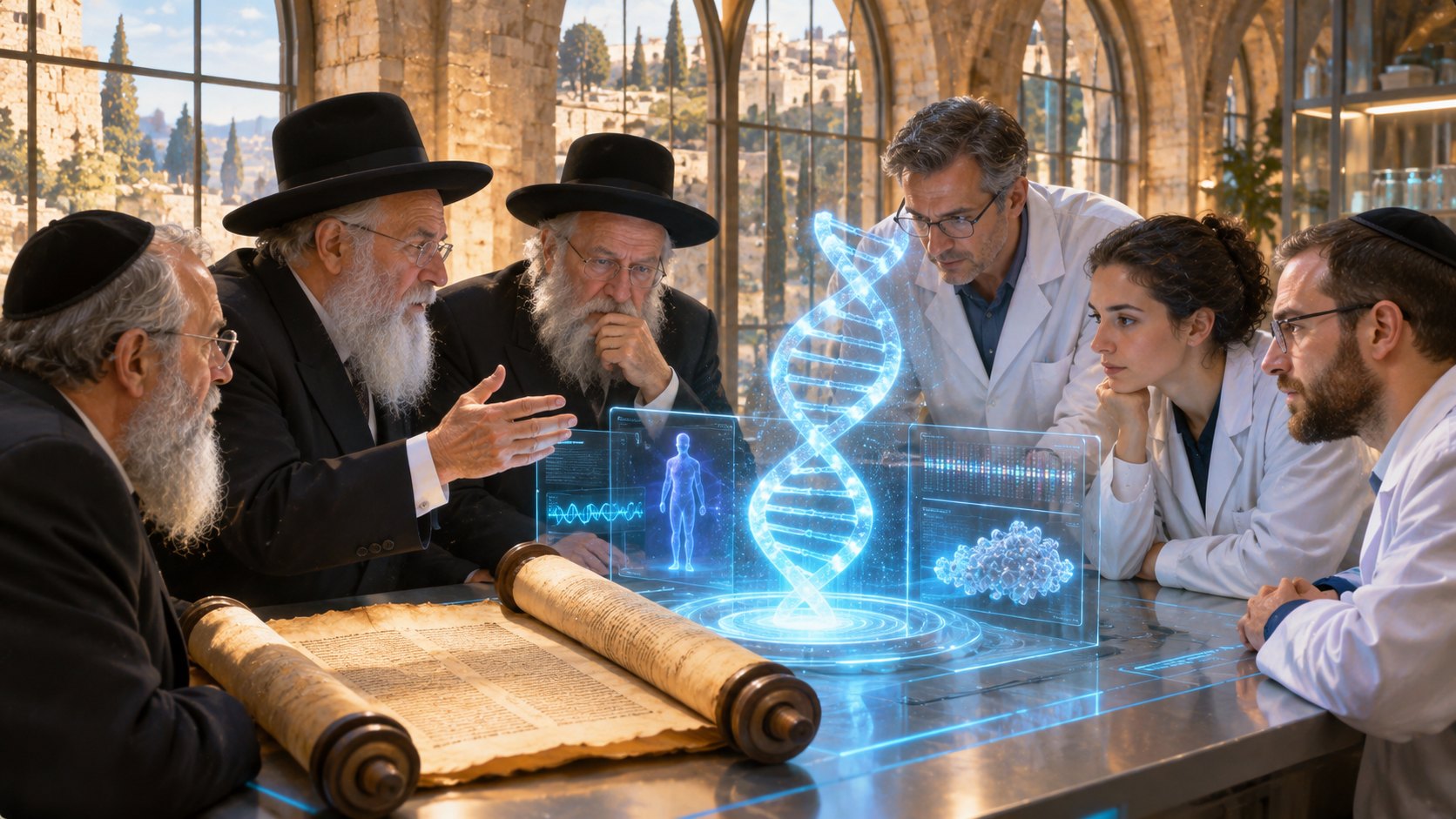
Rabbis and scientists studying together around a table with an open scroll and a glowing display of a genome
Scroll and genome on one table. Illustration.
The proposal

Rabbis and scientists, at one table

The Adam and Eve Project is a call to do this openly, with respect, and together. Nothing is to be done without full halachic approval and the agreement of everyone to whom this place is holy. The road is long: first the rabbis, then the scientists, then the keepers of the site. We are planting the seed now.

  • LearnGather every Torah, Talmud, Midrash and Zohar source on the cave and on the first generations.
  • AskBring rabbis, geneticists and archaeologists into one honest conversation.
  • ApproveWin the written approval of rabbis, of scientists and of those who keep the site, one after another.
  • Study and returnExamine the remains with care, publish everything, and lay them back to rest with honor.
A perhaps, not a proof

Things kept safe for a later day

Our reading of the cave is new, so we offer it as a question. But the idea behind it is old. Again and again, the Torah and the sages tell of precious things that were put away and kept for a generation still to come.

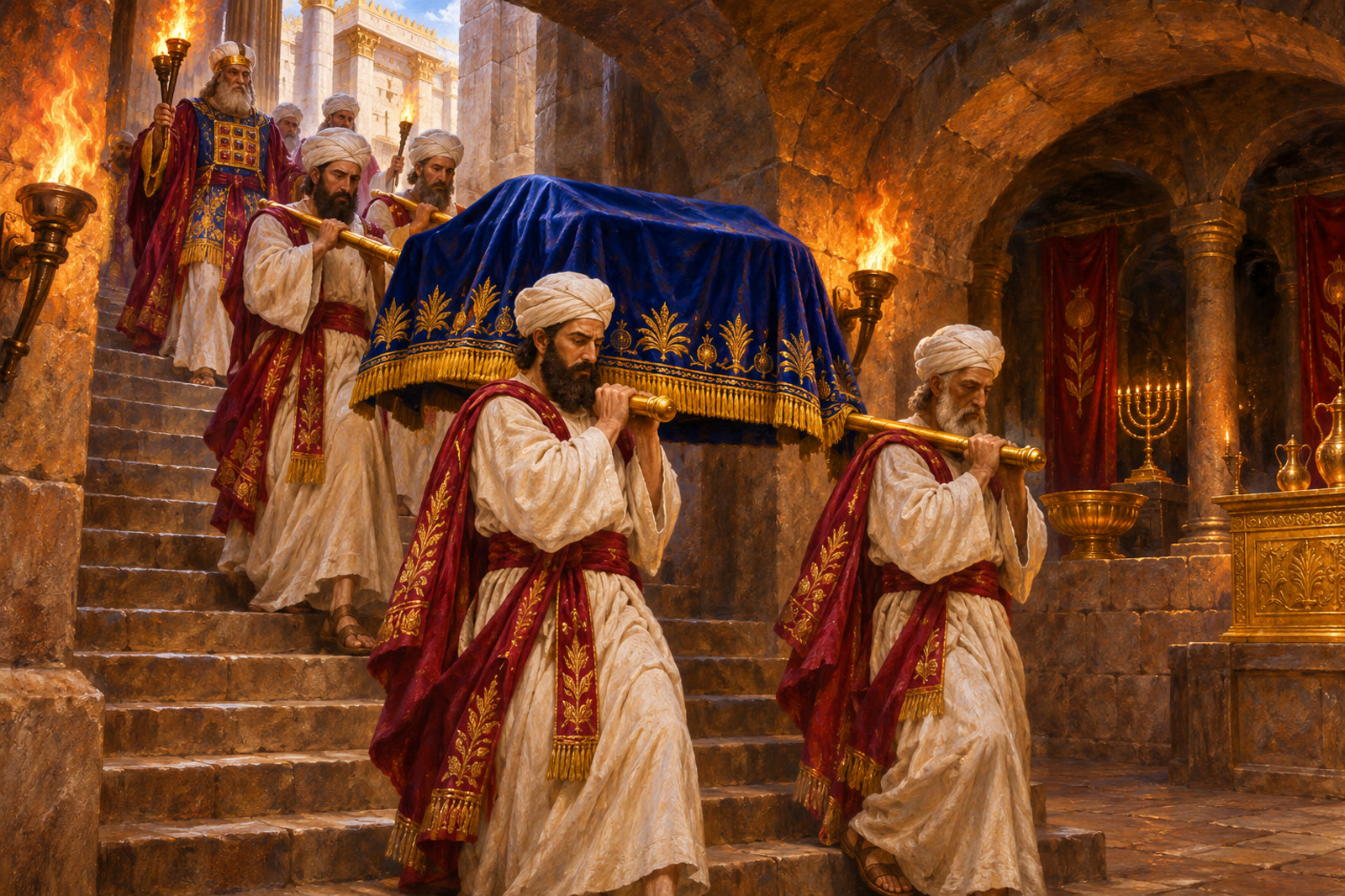
Priests in white carry the covered golden Ark down torch-lit steps into a hidden stone chamber
The Ark is hidden away for a later day. Illustration.
Genesis 23:20

A holding for burial

וַיָּקָם הַשָּׂדֶה וְהַמְּעָרָה אֲשֶׁר־בּוֹ לְאַבְרָהָם לַאֲחֻזַּת־קָבֶר

“The field and the cave within it passed to Abraham as a burial holding.” He made it a known, owned and public place, so that it could never be lost.

Talmud · Yoma 52b · Rambam, Laws of the Temple 4:1

The hidden Ark

Before the Temple fell, King Josiah had the Ark of the Covenant hidden away, so that it would be kept safe for a later day.

Talmud · Chagigah 12a

The hidden light

The light of the first day of creation was put away by God, and is kept for the righteous in the time to come.

Exodus 13:19

The bones of Joseph

וַיִּקַּח מֹשֶׁה אֶת־עַצְמוֹת יוֹסֵף עִמּוֹ

“Moses took the bones of Joseph with him.” Joseph’s remains waited in Egypt for generations, and were carried out when the time came.

Psalm 111:2 · Rambam, Foundations of the Torah 2:2

Study His works

גְּדֹלִים מַעֲשֵׂי ה׳ דְּרוּשִׁים לְכָל־חֶפְצֵיהֶם

“Great are the works of the Lord, studied by all who delight in them.” Rambam teaches that looking closely at creation is a path to the love and awe of God.

Jewish law in our time

DNA and the dead

Rabbis of our generation have allowed DNA from the dead to be read, so that fallen soldiers could be named and returned to their families. The law on moving a grave (Shulchan Aruch, Yoreh De’ah 363) has its stated exceptions.

We say this plainly. The Ark and the hidden light are holy objects, not graves. Joseph’s bones were moved at his own request. The soldiers were named for the sake of living families. None of these is a permission. They show a pattern, and from that pattern we ask: perhaps Abraham secured the first parents in one known place, for a generation that could learn from them.

The hardest verse

The voice at Adam’s cave

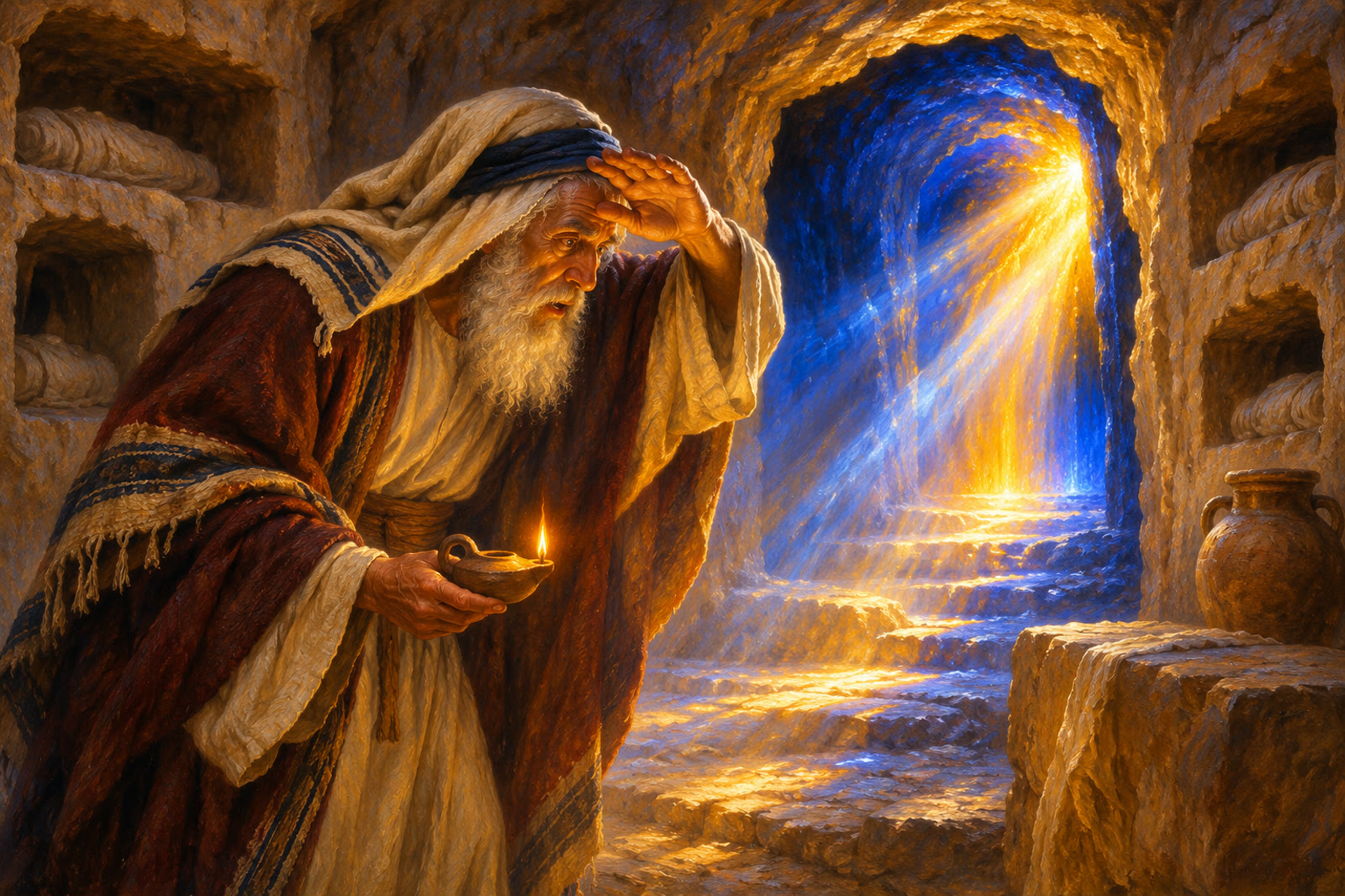
An old sage with an oil lamp shields his eyes before a doorway of brilliant gold and blue light inside a cave
Rabbi Bana’ah at the inner cave. Illustration.

The Talmud tells of Rabbi Bana’ah, who measured and marked burial caves so that nobody would walk over a grave by mistake. He entered the cave of Abraham. When he came to the cave of Adam, a voice from Heaven stopped him.

נסתכלת בדמות דיוקני, בדיוקני עצמה אל תסתכל “You have looked upon the likeness of My image. Upon My image itself, do not look.” Talmud · Bava Batra 58a

He answered that he needed to mark the cave. The voice replied:

כמדת החיצונה כך מדת הפנימית “As the measure of the outer cave, so is the measure of the inner.” Talmud · Bava Batra 58a

The answer inside the verse

Heaven refused the sage the sight of Adam, and in the same breath gave him the knowledge he had come for. His need was honored. The looking was refused. The knowledge was given another way. Rashbam adds that Rabbi Bana’ah was let in at all because he was a great man: entry was by permission, for a fitting person and a fitting purpose.

So we begin where the verse itself points: with what can be learned without looking and without touching.

What it does not answer

This is an answer for knowing. It is not yet an answer for bones. Maharsha reads the voice as guarding the honor of God’s image even in death. Our hope is still to study the remains themselves. Whether that can ever be allowed, and on what terms, is the question we will bring to the rabbis. We do not claim the sources already say yes.

The road

Rabbis first, then science, then the keepers of the site

Those who can say no come first. Science should be shaped to fit the ruling, and not the other way round. The road may take many years. These are the steps, in order.

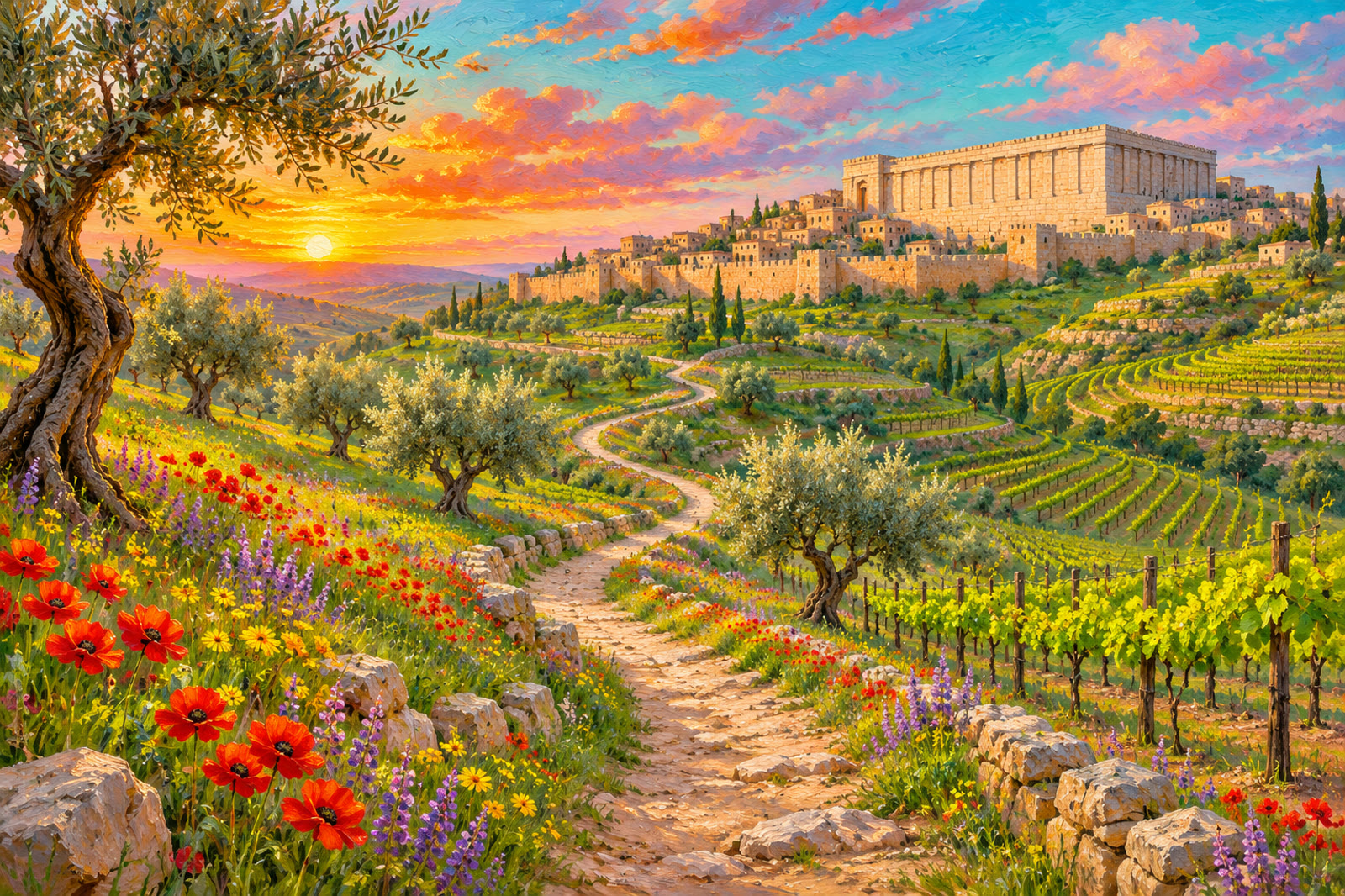
A winding path through hills of spring wildflowers leading to an ancient stone town at sunrise
The road to Hebron. Illustration.
  1. Check every sourceA Torah scholar reads each text on this page in the original, with a second reader. Anything that does not hold comes off the page.
  2. Date what is already above groundIn 1981, pottery was brought up from the caves beneath the building. Find it, and carbon-date what remains inside it. This needs no entry into the cave.
  3. Prove the method somewhere ordinaryTry to read ancient DNA from the soil of an ordinary Iron Age burial cave in the same hills, where licensed work is accepted. Nobody yet knows if DNA lasts in a warm cave. We will publish what comes out, even if it is nothing.
  4. Ask the rabbis in writingOne clear written question to a rabbi of standing, with the exact plan attached. First about study that touches nothing: a camera, a scan, the air, the soil. Then about the remains themselves.
  5. Scientists put their names to the planGeneticists, archaeologists and physicians sign what a study could show, and what it could not.
  6. The keepers of the siteThe Islamic Waqf, the Israeli authorities and the heritage bodies all have a say. Adam is honored as a prophet in Islam too. This is a question for all of his children, and not one people’s claim on the cave.
  7. Study, and returnOnly with every approval: examine the remains with care, publish everything, and lay them back to rest with honor.

Our promises

  • We will publish every answer we receive, including a no.
  • Nothing is opened, taken or touched without religious, legal and custodial approval.
  • If a ruling of standing forbids a step, we will not take it.
  • Nothing will ever be displayed, kept as a relic or venerated. Tradition says Adam feared exactly that.
  • Whatever is found is shown to the world, whether or not it is what anyone hoped.
Honest limits

What we claim, and what we do not

A movement that asks for trust has to start by telling the truth about itself.

What is ours

  • The “time capsule” reading is a new interpretation. No classical source says Abraham kept the cave for future study.
  • The sources on this page are real. The link we draw between them is our own.
  • We think the question is worth asking out loud.

What stands against it

  • No source we know permits opening Adam’s grave. We say so openly.
  • The heavenly voice at Adam’s cave (Bava Batra 58a): “Upon My image itself, do not look.” See the verse above.
  • A Midrash, reported from Pirkei DeRabbi Eliezer and not yet checked by us in the original, says Adam hid his own coffin deep in the cave so that his body would never be made into an idol.
  • The Torah itself hides the grave of Moses: וְלֹא־יָדַע אִישׁ אֶת־קְבֻרָתוֹ עַד הַיּוֹם הַזֶּה, “no one knows his burial place to this day” (Deuteronomy 34:6).
  • Jewish law guards the dignity of the dead and forbids opening a closed grave to examine a body (Shulchan Aruch, Yoreh De’ah 363).
  • No remains of Adam and Eve have ever been identified or examined. The tradition is Midrash, not an excavation report.
  • The site is holy to Jews and to Muslims, and the caves beneath it are closed.
  • A DNA test could not prove or disprove God. It could only tell us about biology.
Two scientists and a rabbi look together at a glowing hologram of DNA beside an open scroll
Science and Torah, looking together. Illustration.

What science can show

  • When a person died, by carbon dating.
  • Ancestry, and whether those buried together are one family.
  • Where a person grew up, from the chemistry of the teeth.
  • Height, build, and the marks that health and illness leave on bone.

What science cannot show

  • A life of 930 years. No test reads centuries, and age read from bone fades past about sixty.
  • That a skeleton is Adam. There is no relative to compare with.
  • What Abraham intended, or anything about God.
  • And one thing nobody knows yet: whether DNA has lasted in a warm cave at all.
Supporters

Those who stand with the project

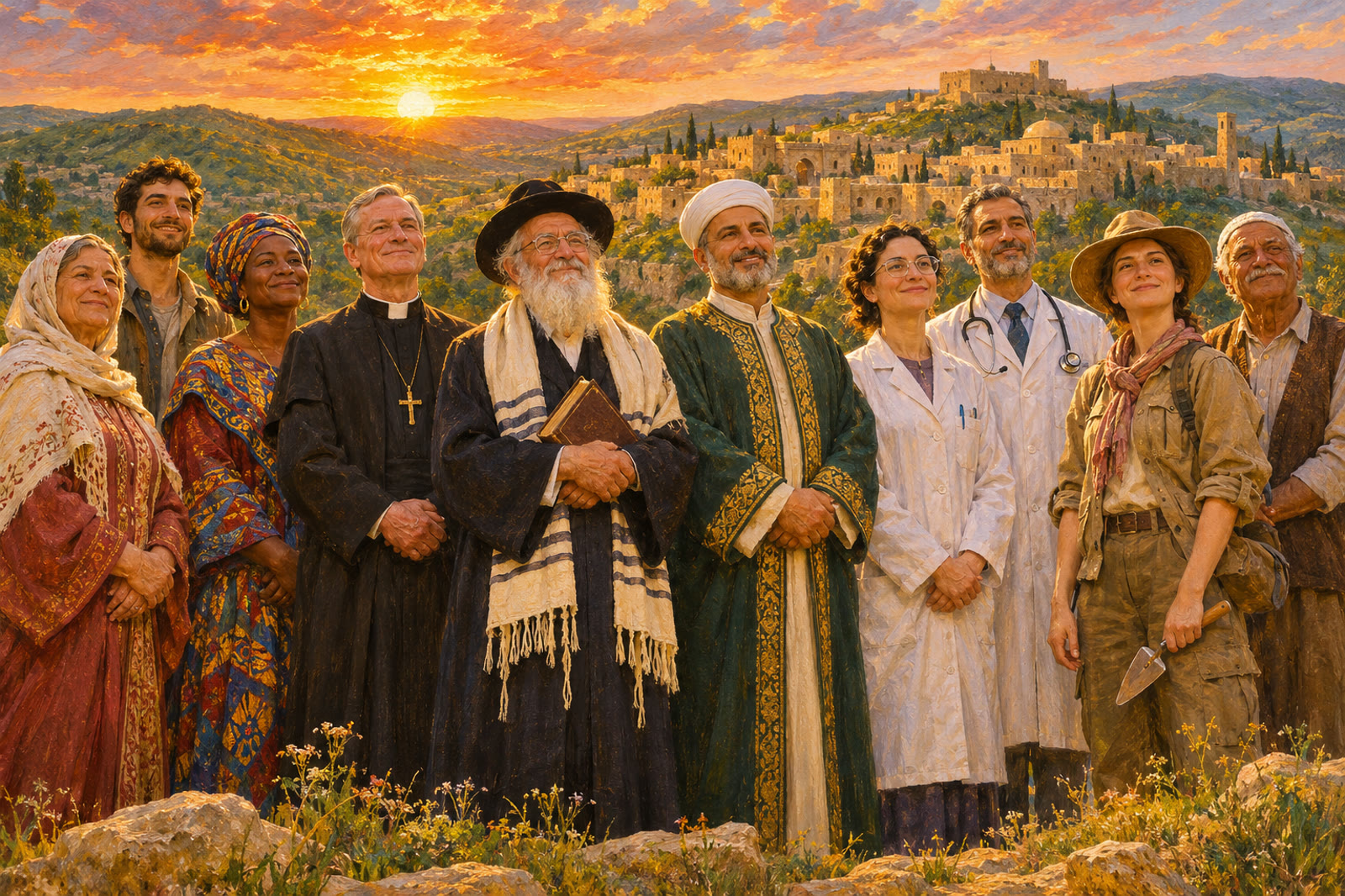
We are gathering the names of rabbis, priests, pastors, scientists, doctors and friends who support this project. Each name is listed here, in public, for everyone to see. If you stand with it, add yours below.

A rabbi, a priest, an imam, scientists and people of many backgrounds stand side by side on a hill at sunrise
People of faith and people of science, side by side. Illustration.

The list is open. Be among the first names on it.

Rabbis
    Priests, pastors and faith leaders
      Scientists and physicians
        Archaeologists and historians
          Friends of the project

            Add your name

            Tell us who you are. We confirm each name before it is shown, and you can ask to be removed at any time.

            Contact us

            Write to us

            For anything about the project, write to b@bennylabs.org or use this form.

            Ask a question

            Challenge the idea

            A source we missed? An objection we have not answered? A question from Torah, science or law? Send it. The hardest questions help the most.